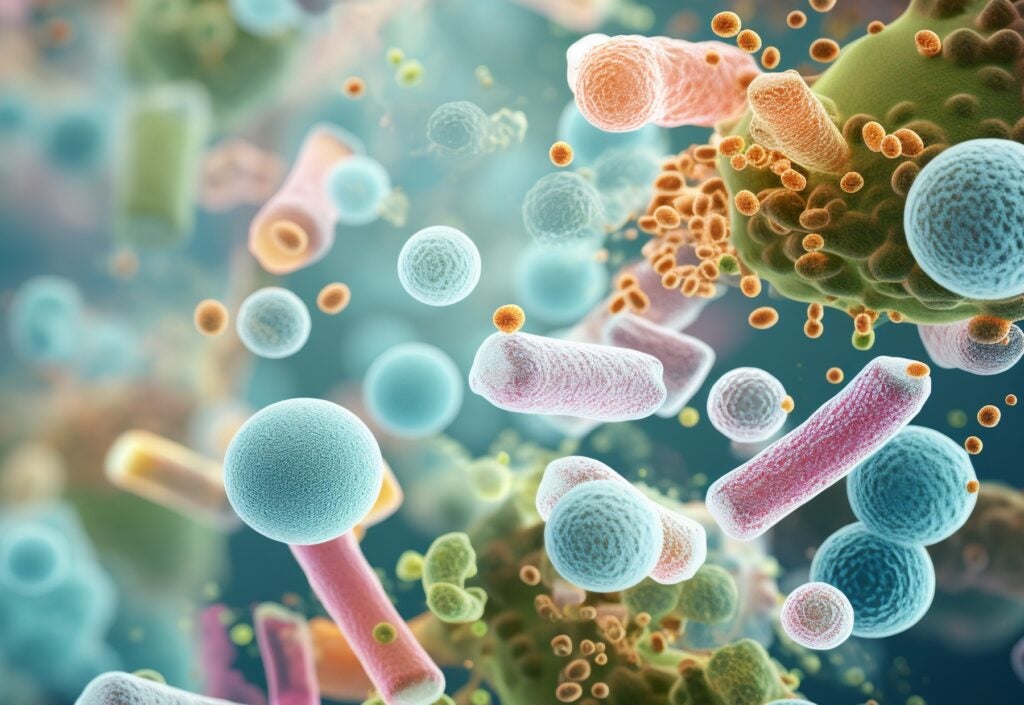
The human digestive system is home to a complex community of microorganisms that influences far more than digestion. Known collectively as the gut microbiome, these bacteria, viruses, fungi and other microorganisms participate in nutrient metabolism, immune regulation and several processes connected to overall health. Researchers are now investigating how changes in this microbial environment may influence ageing, inflammation and the development of certain diseases.
Recent developments in 2026 have brought new attention to this field. Studies examining microbial activity in older adults, dietary fibres and interactions between intestinal bacteria and the immune system are expanding scientific understanding of the gut. The focus is also shifting from simply identifying which microorganisms are present to understanding what they actually do inside the body.
These developments are making gut health research news increasingly relevant to nutrition science, preventive healthcare and the study of healthy ageing.
Researchers Are Looking Beyond Gut Bacteria Composition
For many years, microbiome research concentrated on identifying different bacterial species in stool samples and comparing their abundance between healthy individuals and people with particular medical conditions.
However, scientists are increasingly recognising that microbial composition alone does not explain how the gut functions. Two individuals may have different bacterial communities but still perform similar metabolic activities.
A major review published in the journal Gut in June 2026 by the Gut Microbiota for Health Expert Panel of the British Society of Gastroenterology examined how the field has developed over the previous decade.
The review highlighted the growing use of shotgun metagenomic sequencing, advanced bioinformatics and other molecular techniques. These methods allow researchers to investigate microbial genes, biological functions and interactions with the human body in greater detail.
This represents an important change in research priorities. Instead of asking only which bacteria are present, scientists are increasingly examining which substances microorganisms produce, how they interact with dietary components and whether these activities influence disease processes.
The review also identified continuing challenges, including the lack of a universally accepted definition of a healthy gut microbiome and limitations in translating research findings into routine medical practice.
New Research Connects Gut Microbial Activity With Healthy Ageing
One notable development emerged on 16 November 2026, when researchers from the University of California San Diego reported findings linking gut microbial activity with exceptional longevity.
Published in Cell Metabolism, the study investigated how gut bacteria modify bile acids, substances produced by the liver that support fat digestion and also function as signalling molecules.
The researchers examined data from three human age groups, including 48 young adults, 107 older adults and 125 centenarians. They identified higher levels of certain modified bile acids among people who had reached 100 years of age.
The team then investigated whether enhancing the relevant microbial activity could influence metabolic health. Researchers engineered a gut bacterial strain to produce an enzyme called bile salt hydrolase and introduced it into aged mice.
Approximately 20 weeks after treatment, the mice showed improved insulin sensitivity and modest improvements in glucose tolerance compared with the control group. Later observations also indicated changes in body composition and energy metabolism.
These findings offer an interesting direction for ageing research because they suggest that certain age-related changes in microbial activity may be protective rather than necessarily harmful.
However, an important distinction remains. The human observations do not establish that these microbial changes cause exceptional longevity. The experimental intervention was conducted in mice, not people. Clinical studies will be needed before researchers can determine whether a similar approach could benefit human health.
Dietary Fibre Is Receiving Attention in Microbiome Studies
Diet is one of the major environmental factors influencing the gut microbiome. In particular, dietary fibre provides material that certain intestinal microorganisms can break down and use.
During this process, bacteria produce compounds known as short-chain fatty acids, including acetate, propionate and butyrate. These substances participate in several biological processes associated with intestinal function, immune activity and metabolism.
A study published in Nutrients in November 2026 investigated the effects of three Japanese edible seaweeds on gut microorganisms and intestinal immune responses.
The research examined seaweed consumption in mice and included a preliminary human investigation. In the animal experiments, researchers observed changes in bacterial composition and increased concentrations of several short-chain fatty acids.
The human component initially enrolled 83 healthy adults, with 74 included in the final analysis. Participants consumed approximately 30 grams of boiled Sargassum horneri daily for three weeks.
The researchers reported changes in the composition of participants’ gut bacteria. However, the study was open-label, lacked a control group and did not establish improvements in metabolic health.
The findings are therefore preliminary rather than evidence that seaweed can prevent disease.
Nevertheless, the research illustrates why scientists are interested in different dietary fibres. Foods that appear nutritionally similar may contain different fibre structures, which can influence how intestinal microorganisms process them.
The Small Intestine Is Becoming a New Research Priority
Another important development involves the part of the digestive system that has received comparatively less attention in microbiome research.
Most studies have traditionally concentrated on microorganisms found in stool samples, which primarily reflect activity in the large intestine. The small intestine has been more difficult to investigate because of its physical location and changing digestive environment.
A review published in Nature Reviews Microbiology on 10 November 2026 examined the composition, host interactions and therapeutic potential of the small intestine microbiome.
The researchers highlighted how microorganisms in this region interact with nutrients and the intestinal environment. Unlike the large intestine, the small intestine has different conditions involving oxygen availability, digestive enzymes, bile acids and nutrient concentrations.
Understanding these differences could help researchers investigate conditions affecting nutrient absorption and intestinal function.
The review also identified the small intestine as a possible source of new microbial therapies. However, translating these findings into treatments will require further experimental and clinical investigation.
This research could eventually expand the understanding of how microorganisms influence the digestive system beyond the areas that conventional stool-based testing can capture.
Who Could Benefit From These Research Developments?
The expanding evidence has implications for several groups, including nutrition researchers, gastroenterologists, pharmaceutical developers and people interested in preventive healthcare.
For consumers, the findings reinforce the importance of dietary variety and fibre intake. Foods such as vegetables, fruits, whole grains, legumes, nuts and seeds provide different nutrients and fibre types that can support a varied intestinal microbial environment.
Fermented foods, including yoghurt and certain traditional fermented vegetables, are also being investigated for their potential effects on gut microorganisms. However, fermented foods do not all contain the same microbial strains or produce identical health outcomes.
For healthcare professionals, microbiome research may eventually provide additional information about digestive disorders, metabolic conditions and treatment responses.
The pharmaceutical industry is also exploring probiotics, prebiotics, faecal microbiota transplantation and carefully selected microbial combinations. Some microbiome-based treatments have already demonstrated clinical value, particularly in recurrent Clostridioides difficile infection.
However, many proposed applications remain experimental. A microbial intervention that produces promising results in laboratory studies may not necessarily deliver the same benefits in patients.
What Remains Uncertain About the Gut Microbiome?
Despite significant scientific progress, researchers still face several challenges.
There is currently no universally accepted microbial profile that defines a healthy gut for every individual. Age, genetics, diet, medication, geography and lifestyle can all influence microbial composition.
Commercial microbiome testing is another area requiring caution. The British Society of Gastroenterology’s 2026 review highlighted concerns about inconsistent testing methods, differences between laboratories and limited evidence that many direct-to-consumer test results improve clinical decisions.
Researchers also need larger human studies to establish whether particular microbial changes directly contribute to disease or simply occur alongside other health conditions.
Future investigations are likely to focus on identifying specific microbial functions, understanding how dietary interventions influence them and developing treatments that can be tested through controlled clinical trials.
Why Microbiome Research Matters for Future Healthcare
The latest findings suggest that gut-health science is moving towards a more detailed understanding of the relationship between microorganisms, nutrition and human biology.
Research involving centenarians, dietary fibres and the small intestine demonstrates how different areas of microbiome science are developing simultaneously. These studies do not yet provide a universal method for improving gut health, but they are helping researchers identify biological processes that may eventually support more precise healthcare approaches.
For now, dietary diversity, adequate fibre consumption and evidence-based medical guidance remain more reliable foundations than unverified microbiome treatments or commercial test recommendations.
As scientific methods improve, understanding the functions of gut microorganisms may become increasingly important in explaining how everyday dietary choices connect with digestion, immunity, metabolism and healthy ageing.